
Hart County 72-Hour Release List
The Hart County inmate search is an active-custody roster, not a recent-release archive. It displays inmate cards, charge links, pagination, and VINELink status-change buttons. Research did not find an official sheriff page that filters custody exits by the last three days. A name that disappears during that span may have been released, transferred, or affected by another record update.
The three-day method reconstructs the event from source records. Start with the current roster, then seek the sheriff booking and release record. Add the court docket when a bond hearing, sentence, or case disposition caused the custody change. If the record names another agency as the destination, continue with that agency instead of treating the county exit as community release.
Check Hart County Three-Day Releases
Use a date range that includes all three calendar days and enough personal details to isolate one booking. A current roster snapshot answers only whether the person appears now. It does not show each status held over the prior 72 hours.
- Search the sheriff roster by name and compare the result with known age, charges, arresting agency, or booking details.
- Check any VINELink status alert already registered from the person's active Hart County inmate card.
- Call Hart County Jail at (706) 856-5338 if the person has vanished from the roster. Ask whether the custody exit was a release or transfer.
- Use the sheriff's open-records form to request the booking and release record for the specific three-day period.
- Review the Hart County court record for a bond order, sentence, dismissal, probation order, or other case action.
- Follow GDC, federal, immigration, or another county records only if the county record identifies that destination.
For an event believed to have occurred today, the 24-hour release process provides a tighter same-day path. For one named person whose date is uncertain, begin with the Hart County released inmate search.
Hart County Three-Day Record Fields
Because no official 72-hour list was found, these are fields to request, not fields promised on a public feed. The exact response depends on Hart County's records system and any lawful redactions.
| Field | Use in a three-day check |
|---|---|
| Booking name and number | Matches the custody event to the right person. |
| Arrest and booking dates | Places the jail stay before the requested window. |
| Charges and agency | Connects the booking to the court and arresting office. |
| Release date and time | Shows whether the exit fell within the selected 72 hours. |
| Release reason | May distinguish bond, court order, time served, sentence completion, or transfer. |
| Bond type and amount | Supports a bond-out event when those details are public. |
| Transfer destination | Identifies the next custodian when the person did not return to the community. |
A release alert can establish that a status changed, yet may not supply the bond type or legal disposition. A court order can explain why release was authorized, but may not state the minute jail processing ended. The sheriff's release field is the key timing source.
Hart County Weekend Release Checks
A three-day range is most useful when a person may have left custody over a weekend or when the first check occurred after office hours. It captures more possible release times than a same-day check. Still, the research did not identify a published Hart County policy promising a fixed roster-update cadence or a special weekend release feed. Do not invent either one.
Call the jail for current custody and preserve the date and time of the call. For a durable result, ask the sheriff for the release date, time, type, and destination. Georgia's open-records rule requires a response or production of available records within a reasonable time not to exceed three business days. Weekends and holidays are not business days, so an official records response may arrive after the 72-hour event window has passed.
The wider range also helps reconcile court activity. A bond order may be entered before jail staff finish paperwork, while the custody-exit time appears later in the sheriff record. Keep those two timestamps separate.
Record each source's update time when possible. That small step makes a three-day timeline easier to reconcile and prevents an older roster view from overriding a newer official custody entry.
Use the court path that matches the matter. Magistrate Court may hold first appearance and address bond within its authority. Superior Court handles felony cases and bond issues that the Magistrate Judge cannot decide. The Hart County Clerk of Superior Court is the main custodian for Superior Court criminal files, but online access may require an account or a provider reached through Georgia eAccess. Ask for a specific bond order, docket entry, sentencing order, or disposition. Then match its case number and person to the sheriff booking. This avoids treating a court date as a jail release date.
Request Hart County Three-Day Records
A targeted request is more effective than asking for a broad file. Give the full name, known aliases, date of birth if known, approximate arrest or booking date, and the sheriff case number when available. Ask for the booking and release record, release date and time, release reason, bond fields, and transfer destination. The sheriff form also collects requester name, address, phone, email, and signature.
Under O.C.G.A. § 50-18-71, an agency may charge lawful search, retrieval, redaction, and copy costs. The captured Hart County form did not publish a fee schedule, so request an estimate rather than assuming a set amount. Protected identifiers and exempt records may be redacted or withheld. Restricted, sealed, juvenile, or active-investigation material can also limit what appears.
Use the VINELink check for alerts and the sheriff record for proof. If the person entered state prison custody, check the Georgia Department of Corrections. A county transfer date and a later GDC admission or release date refer to different events.
Hart County 72-Hour First Appearance
Hart County does document one important 72-hour event, but it is not a release list. The sheriff's Jail FAQ says an inmate who is not eligible for a preset bond appears before the Magistrate Judge within 72 hours. The judge advises the person of constitutional rights and charges, then addresses bond conditions and the bond amount.
The jail FAQ source shows the local rule used to understand this Hart County custody window.
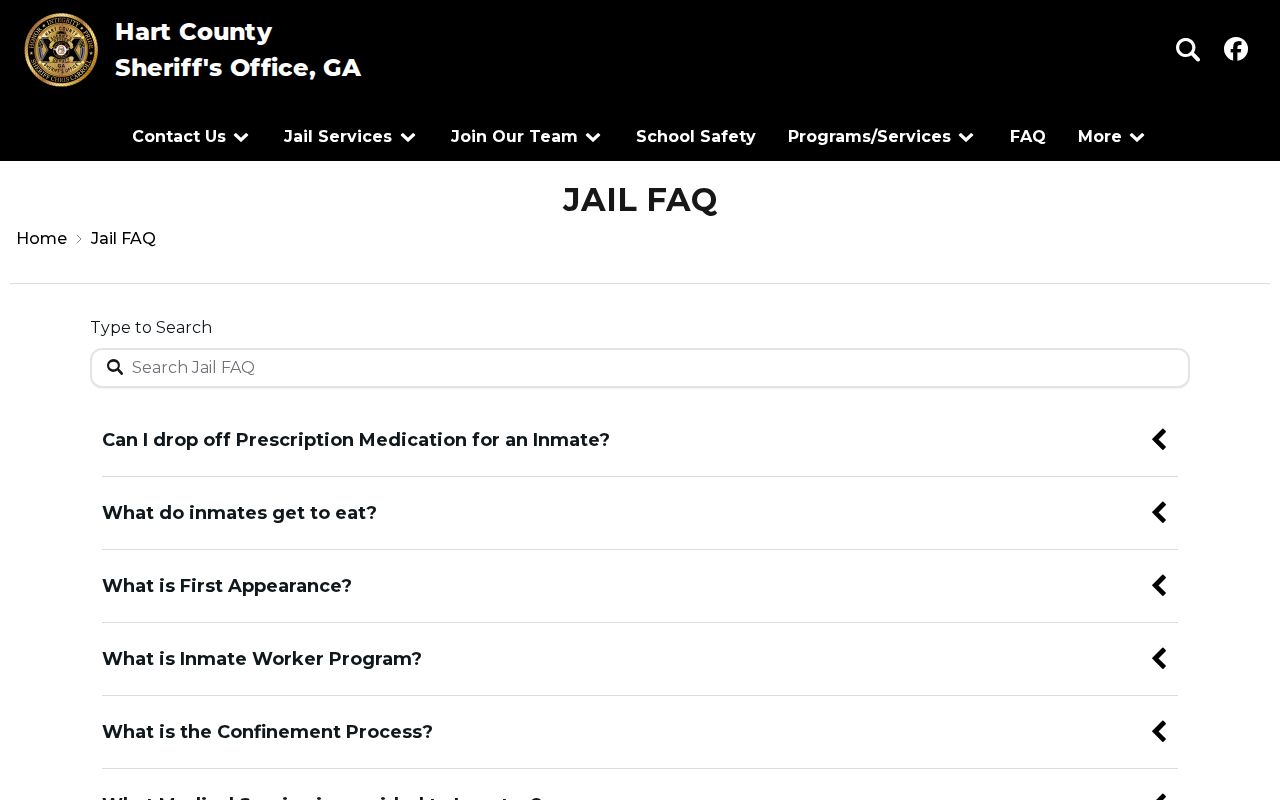
If the Magistrate Judge cannot set bond because of the charge, the paperwork goes to Superior Court for bond-hearing consideration. That process explains why a person booked during the three-day period may still have no release record. First appearance starts a judicial step. It does not guarantee release within 72 hours.
Bond status should be read in stages. “Bond set” means a judge or preset schedule has authorized terms. “Bond posted” means the financial or signature requirement has been met. “Released” means jail staff completed processing and the person actually left Hart County custody. A three-day review can show all three events on different dates or times. When the timing is disputed, request the bond order from the court and the custody-exit entry from the sheriff.
Hart County Roster History Gap
Hart County's active-card design does not preserve a public, searchable three-day history. The roster can show who remains in custody when checked, but the absence of yesterday's card offers no reason code. This local data quirk makes a two-source check essential.
VINELink works best when registration occurs while the active card is still visible. Its alert can mark the status change. The sheriff record or court docket then explains the event. If neither was saved beforehand, call the jail and submit a narrow records request rather than inferring an outcome from silence.
A record may also name a destination rather than a simple release reason. Transfer to GDC means state custody follows the county stay. A federal or immigration hold can produce another custody step. If the record says the person left on bond, probation, time served, or sentence completion, use the court file to understand any terms that continue after the jail exit. These distinctions matter across a 72-hour timeline because a person can leave one roster and appear in another system later.
- Release
- The county custody event ends, sometimes with the person returning to the community.
- Transfer
- The person leaves Hart County Jail but enters another agency's custody.
- Time served
- The period already spent confined satisfies the ordered jail term.
- Detainer
- Another agency's hold may prevent community release after the local matter changes.